Turn Bog Ore into Gold: Using Bog (Marsh) Ore in Artistic Activities
In 2025, Kazlų Rūdos turizmo ir verslo informacijos centras carried out the project “Turn Bog Ore into Gold: Using Bog (Marsh) Ore in Artistic Activities”, funded by Lietuvos kultūros taryba and Kazlų Rūdos savivaldybė.
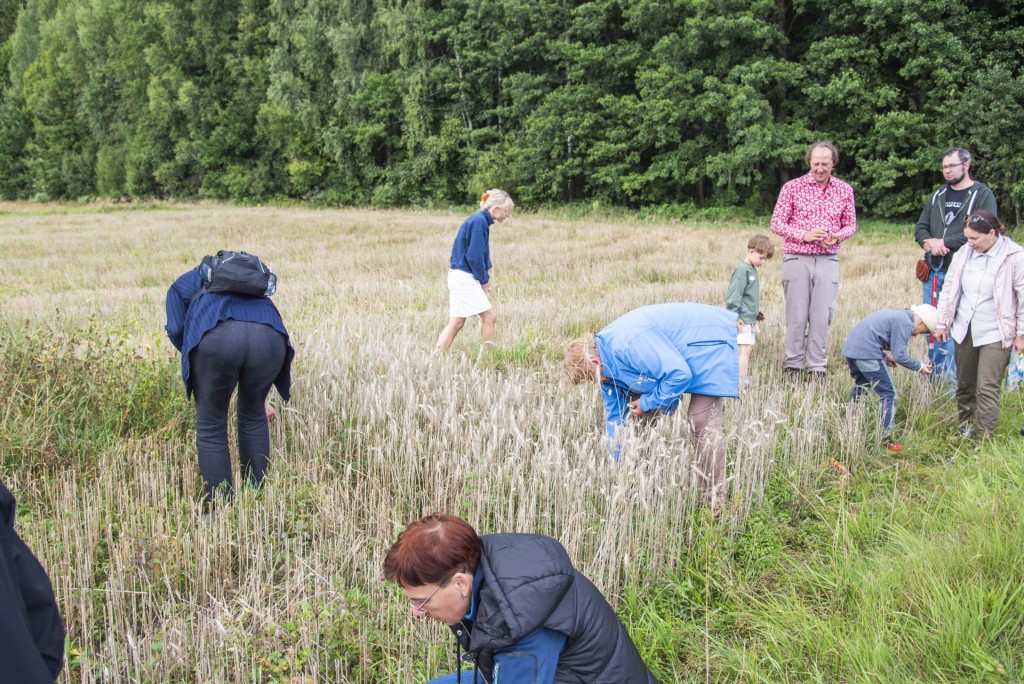
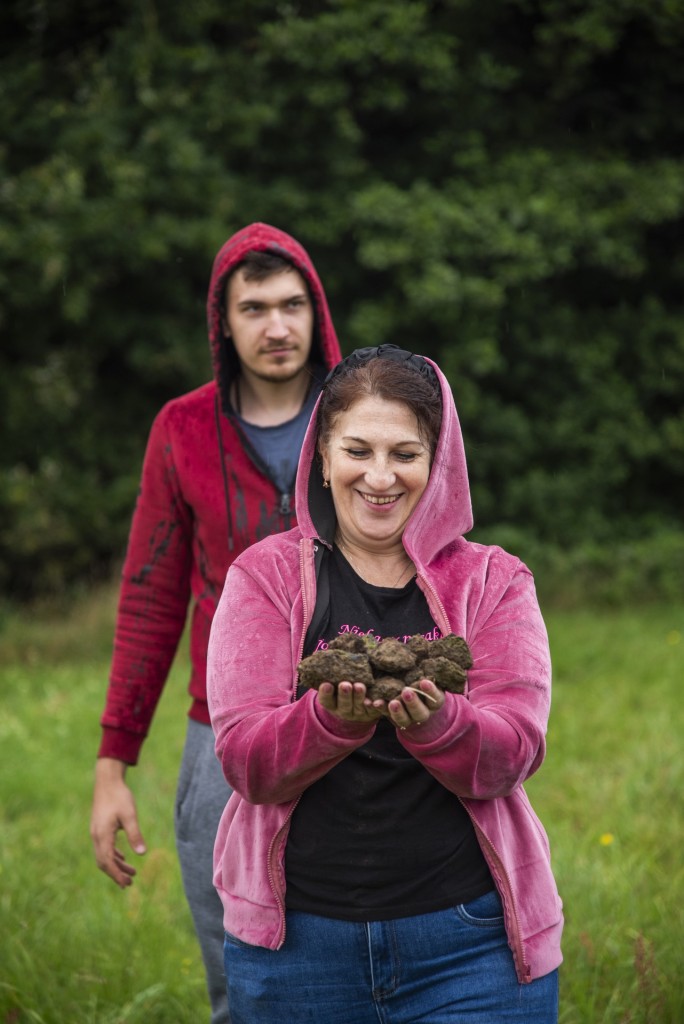
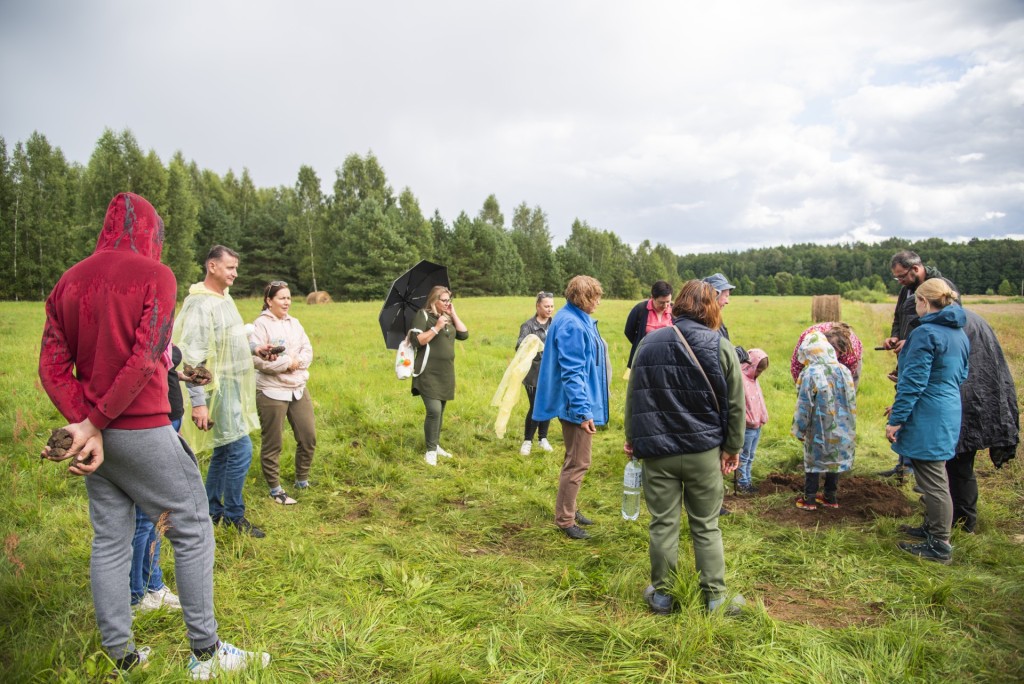
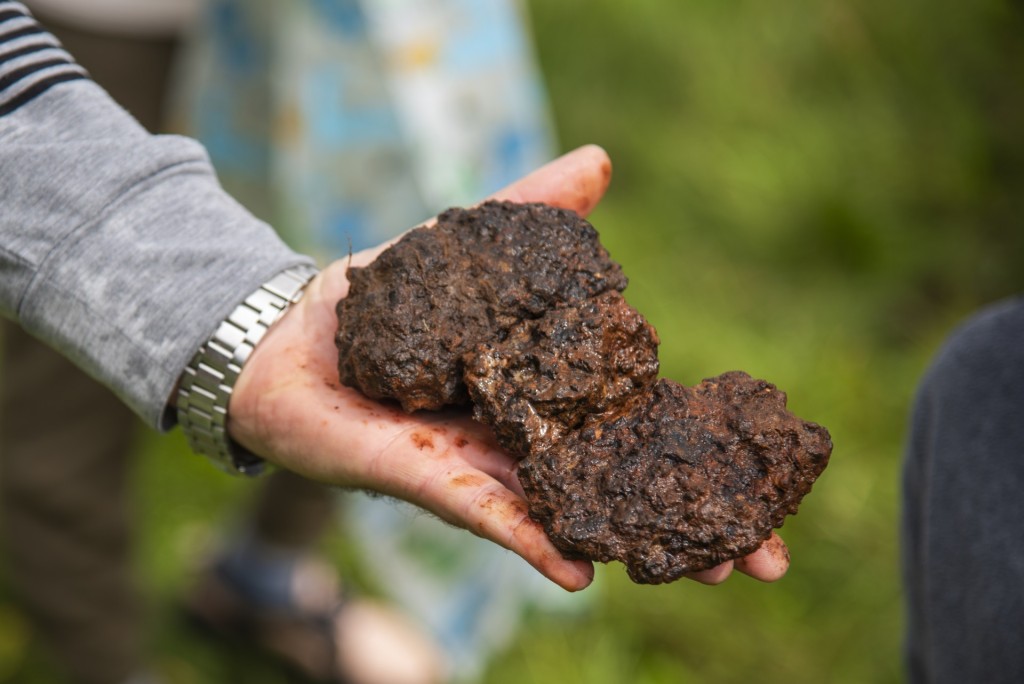
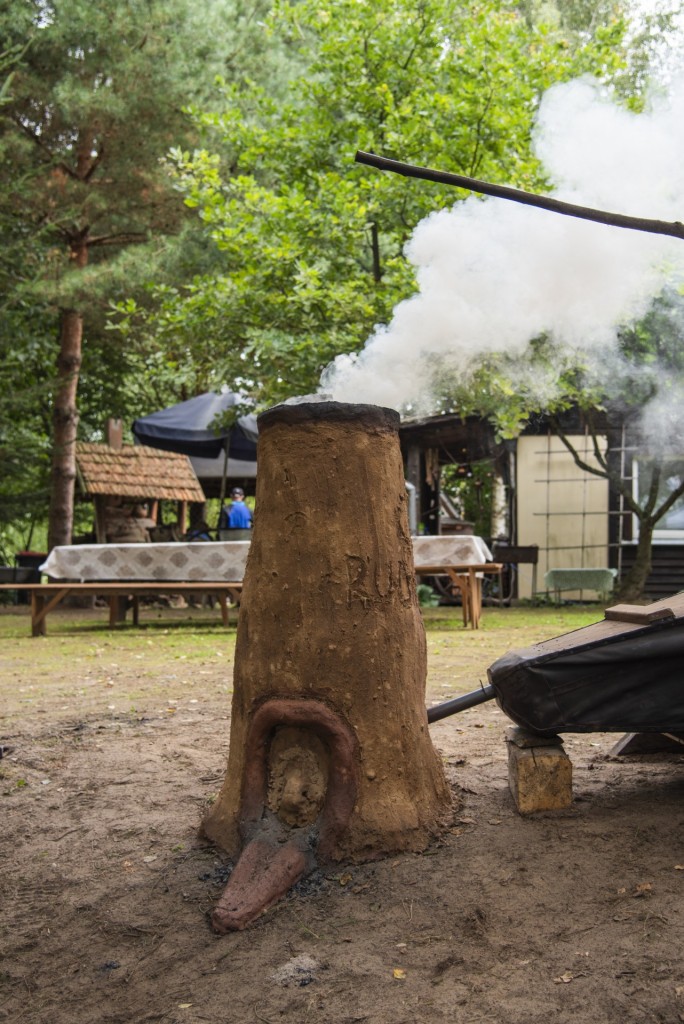
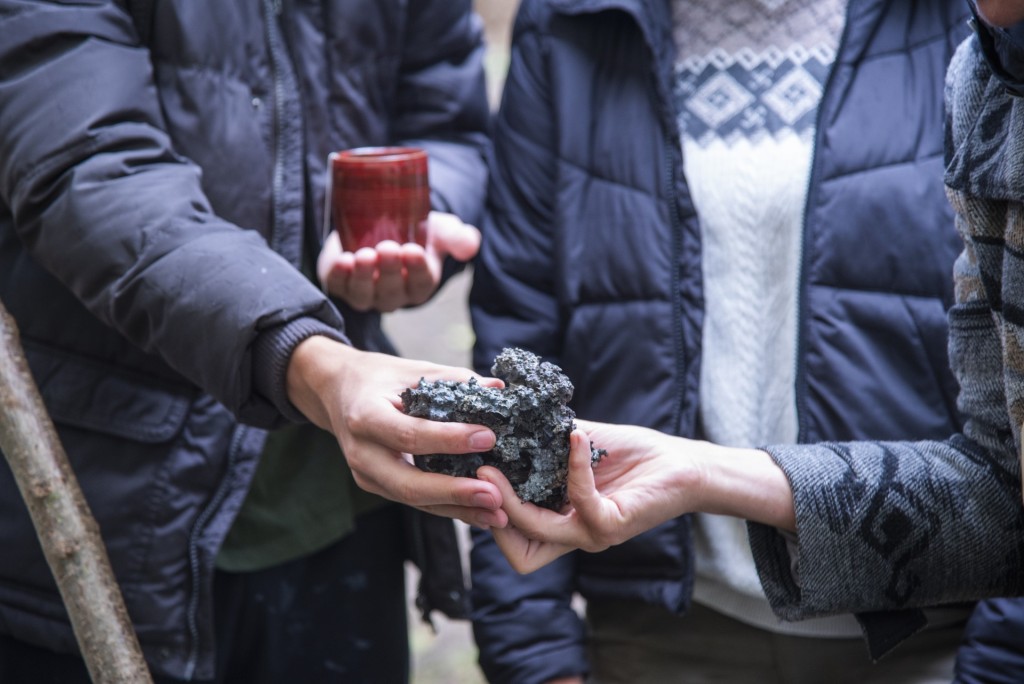
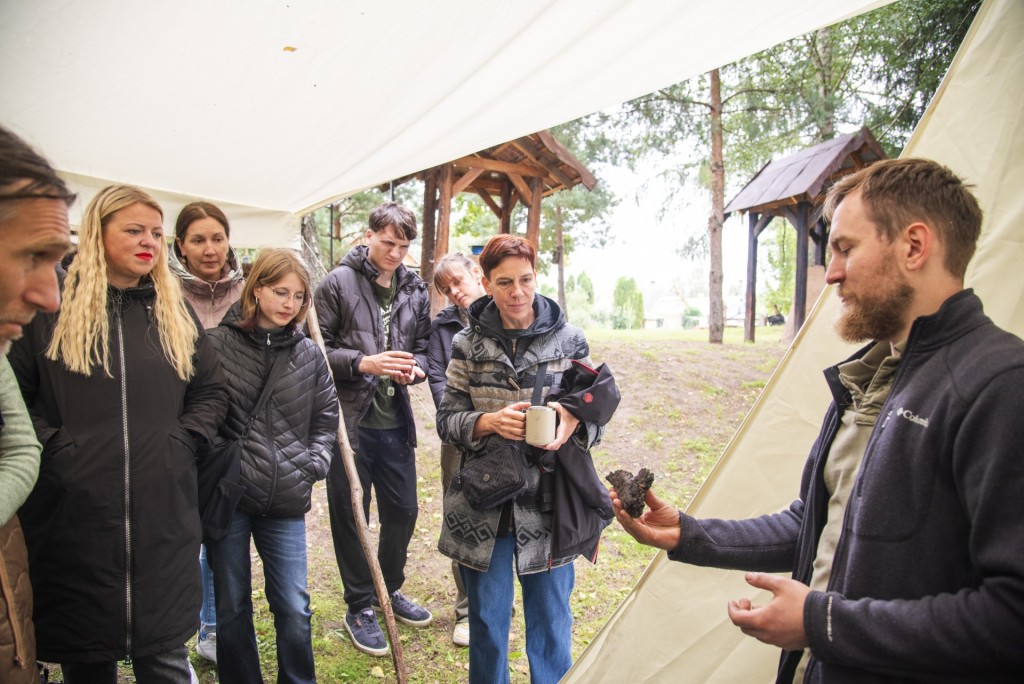
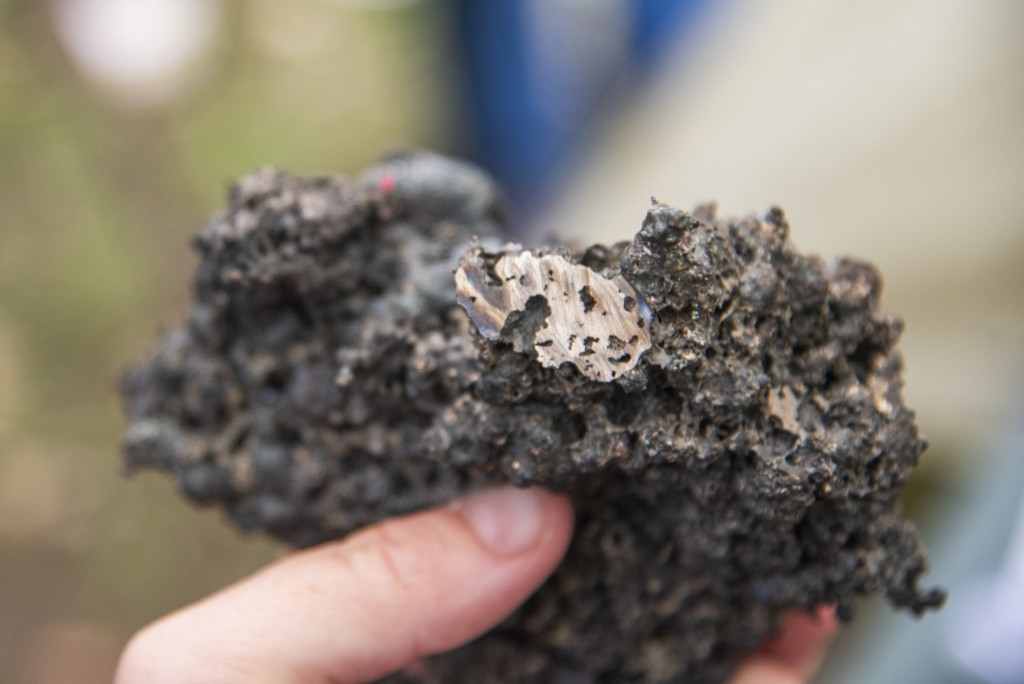
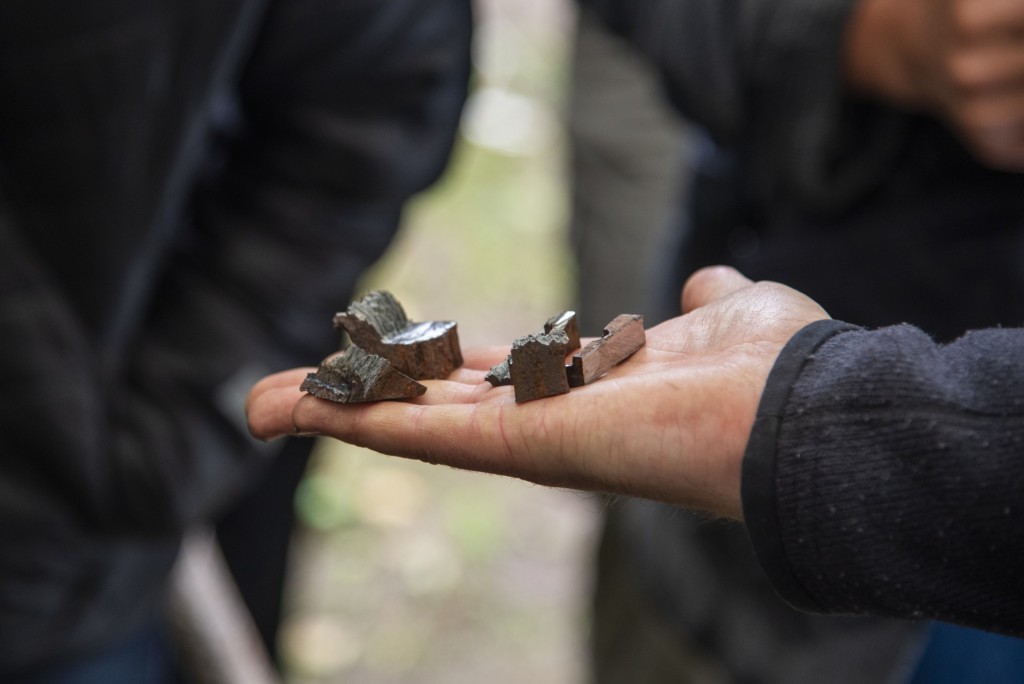
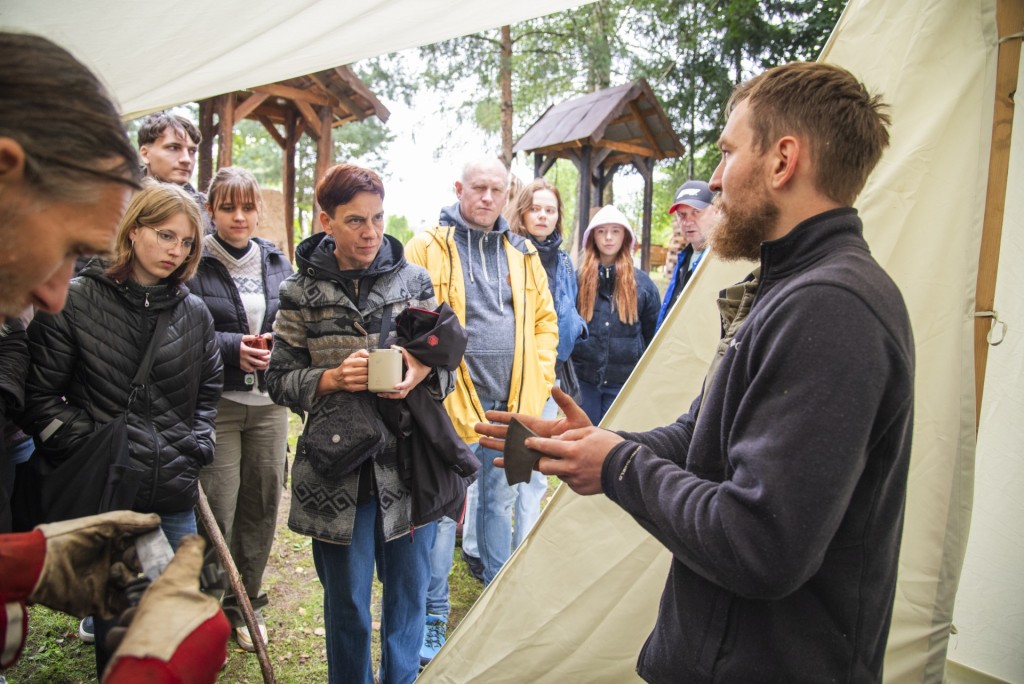
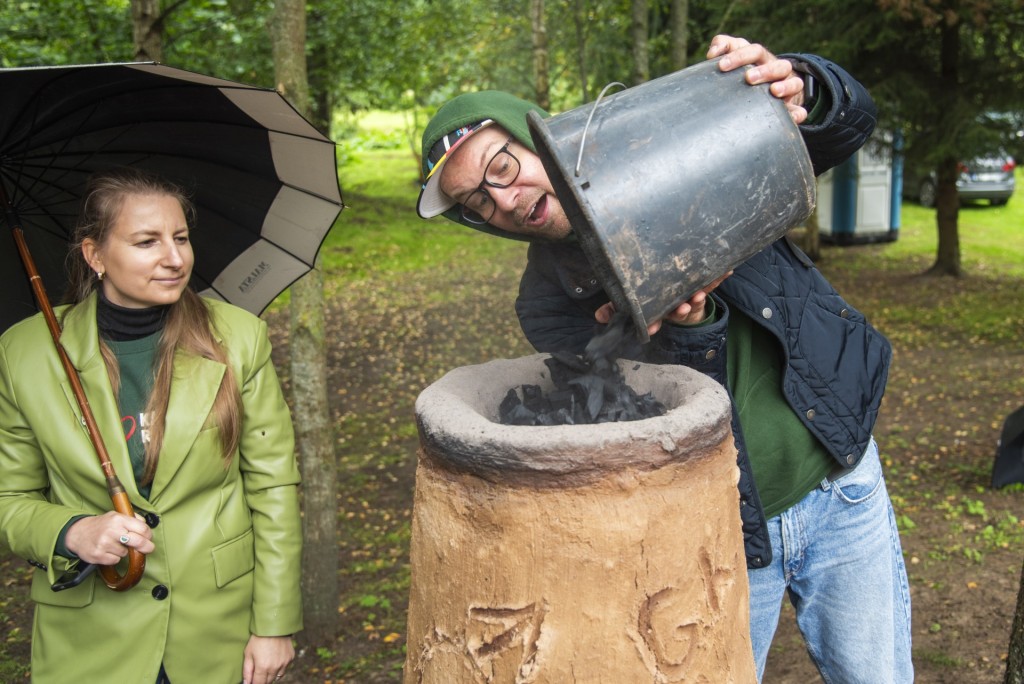
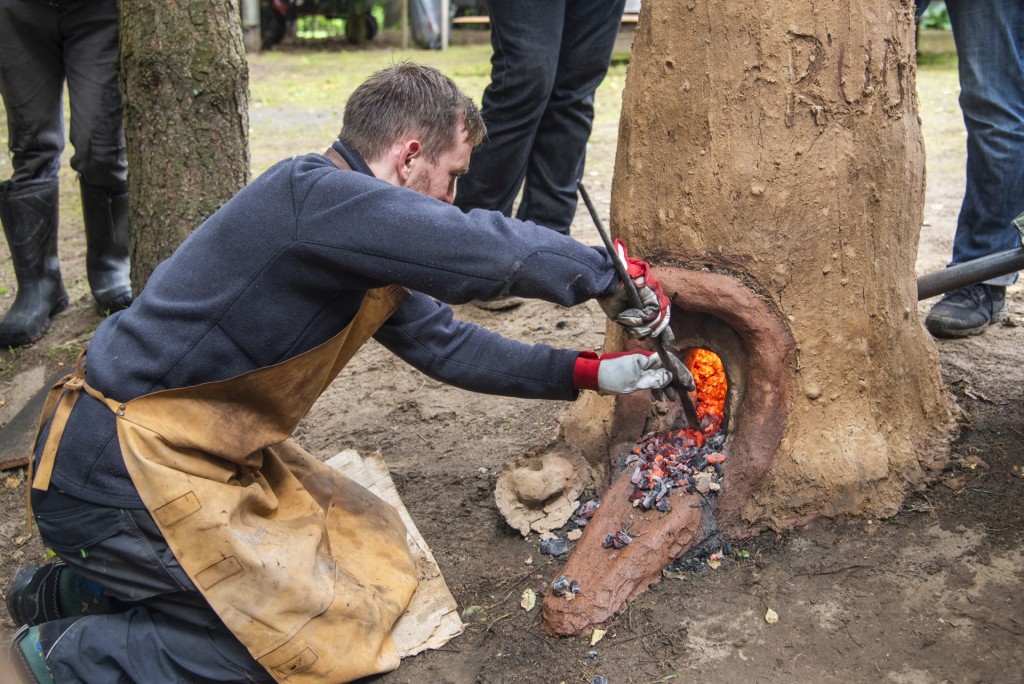
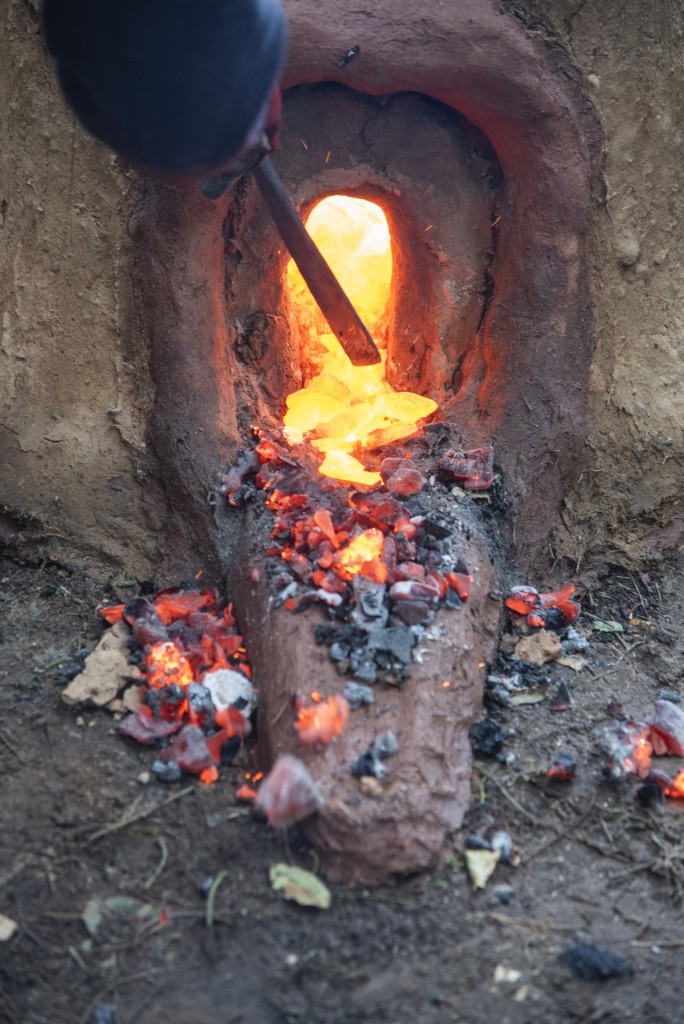
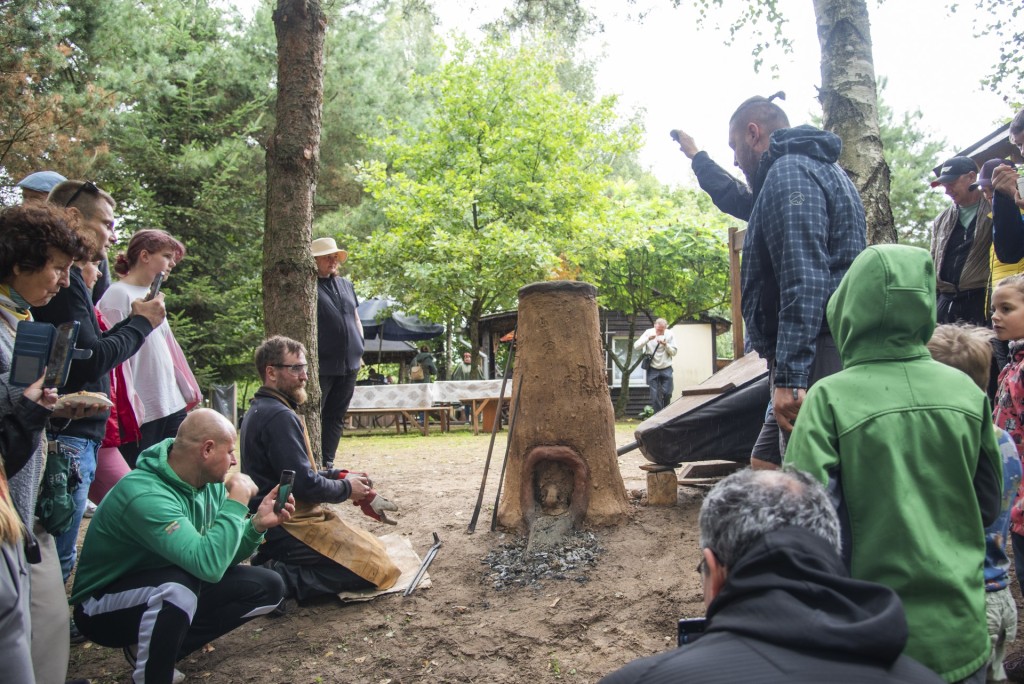
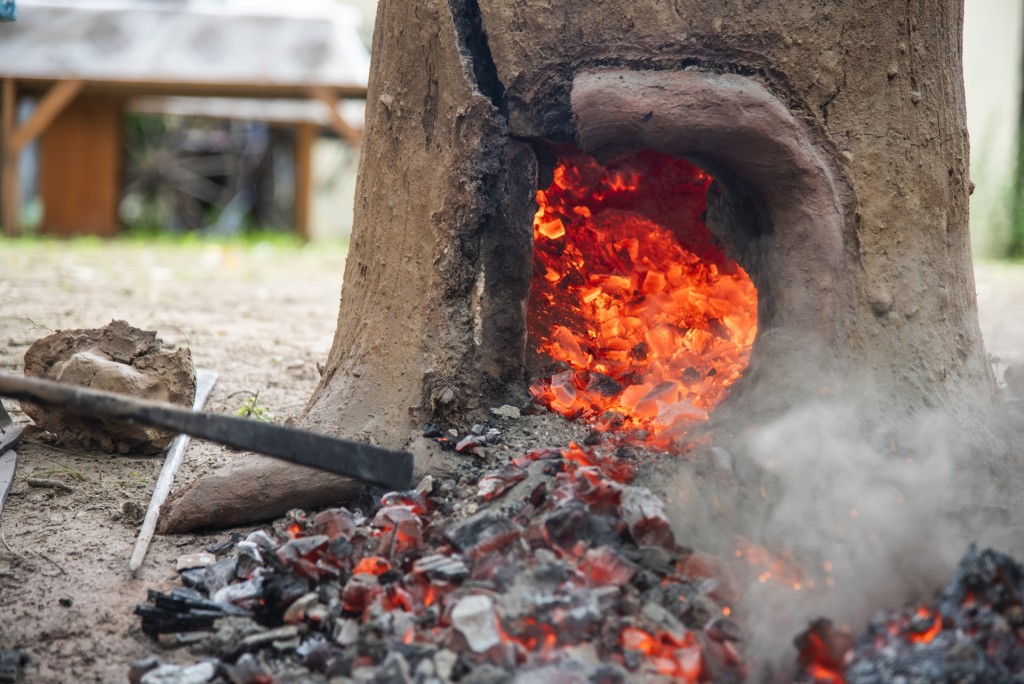
This year, for the fourth year running, Kazlų Rūdos turizmo ir verslo informacijos centras once again invited everyone to a unique event: a live experiment and outdoor educational programme recreating what our ancestors were able to do centuries ago, extracting iron from bog ore.
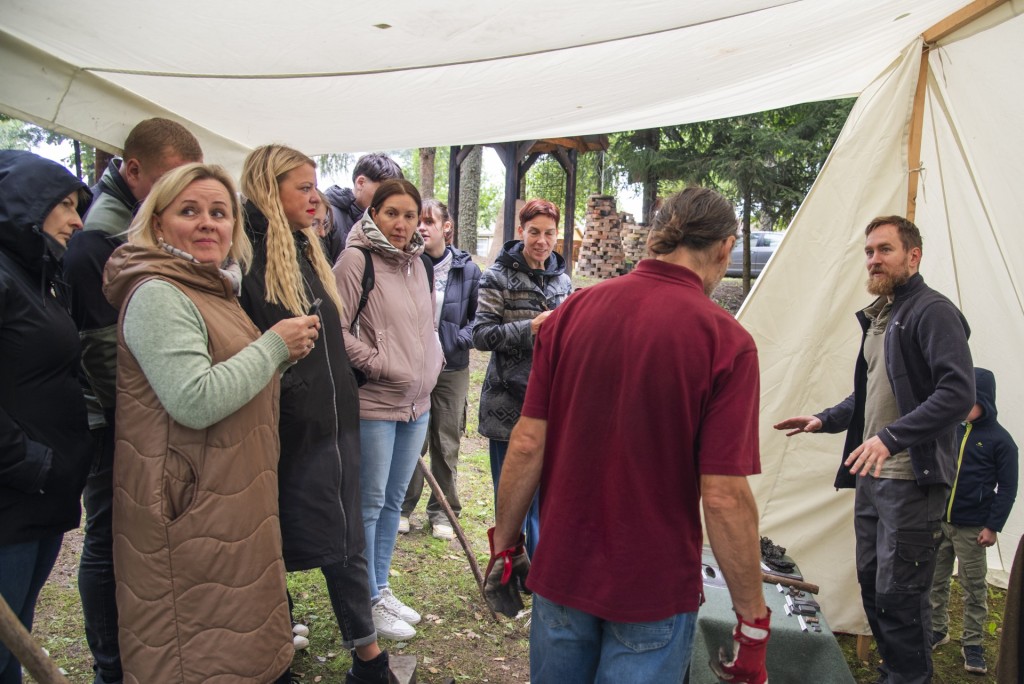
Funded by Lietuvos kultūros taryba and Kazlų Rūdos savivaldybė, this project invites curious minds, nature lovers, science enthusiasts and families to gather in Višakio Rūda every year during the St Bartholomew’s Day church festival.
________________________________________
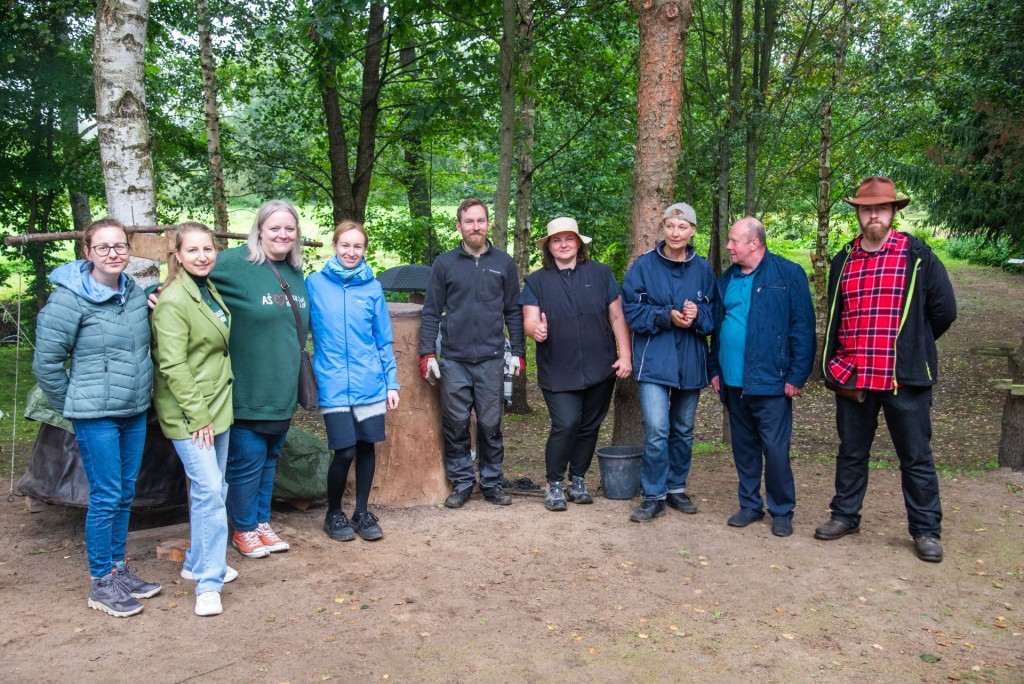
Project team:
• Geologo kelionės
• Archaeologist Dr Andra Simniškytė-Strimaitienė (Lietuvos istorijos institutas)
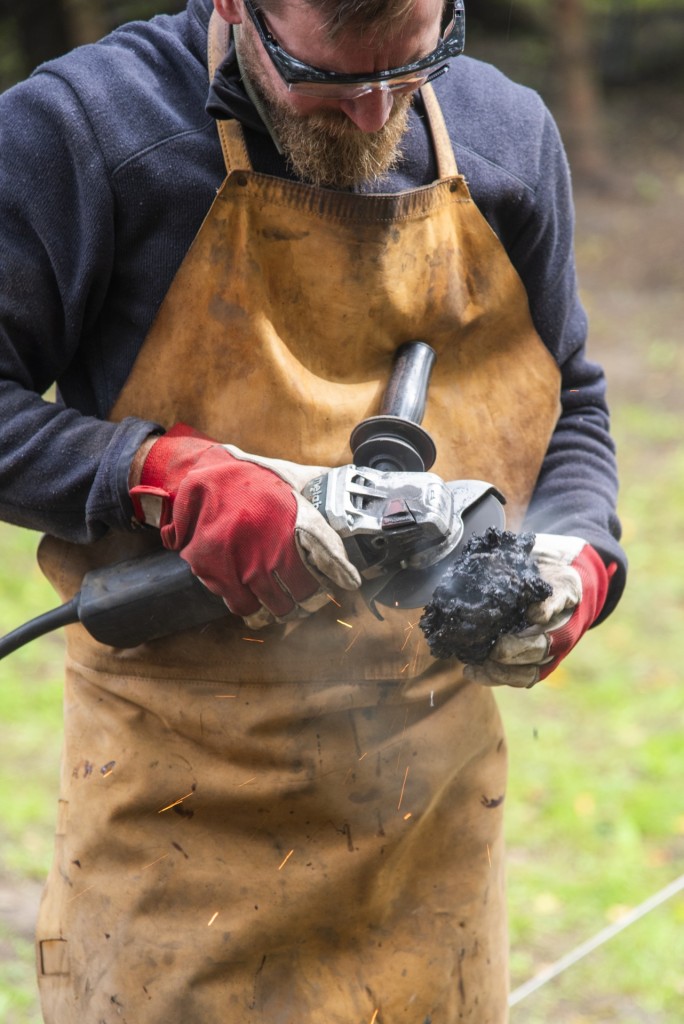
• Blacksmith and sculptor Adomas Sviklas
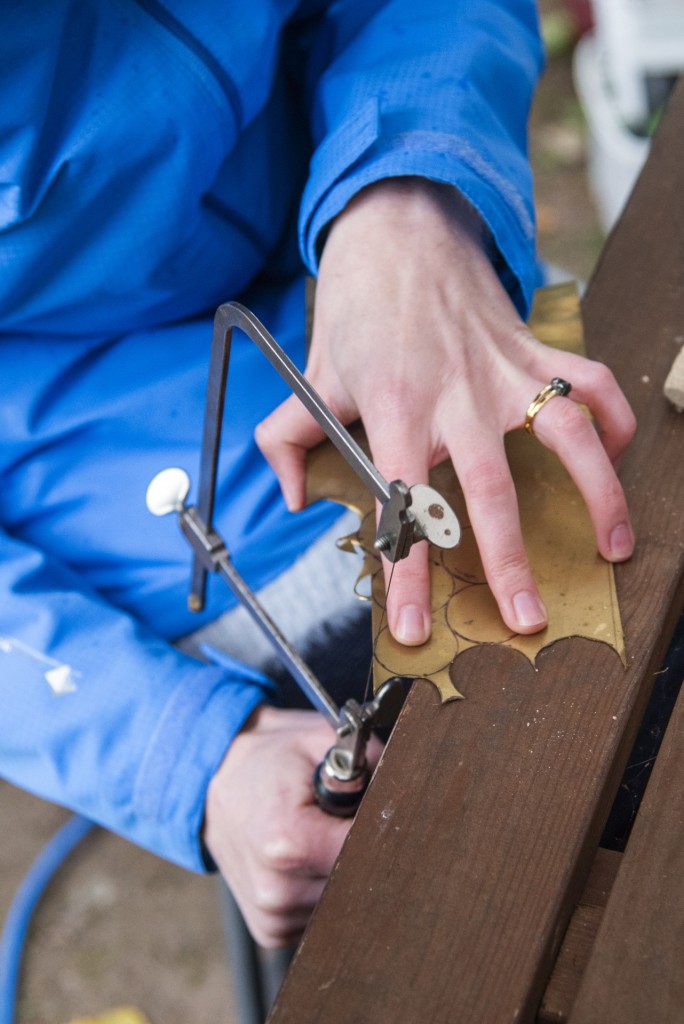
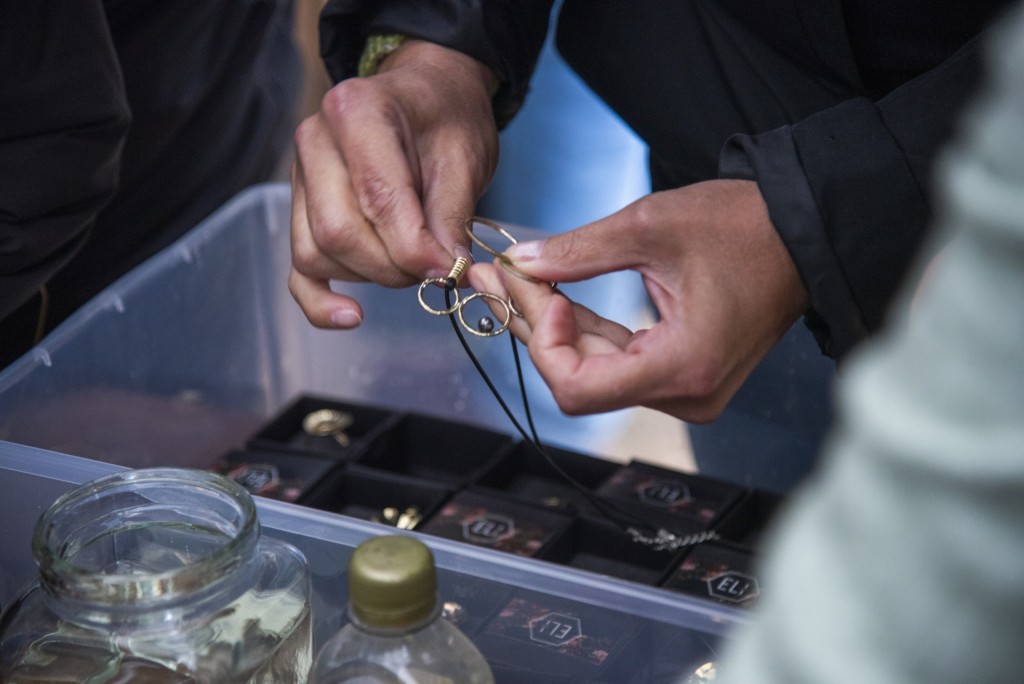
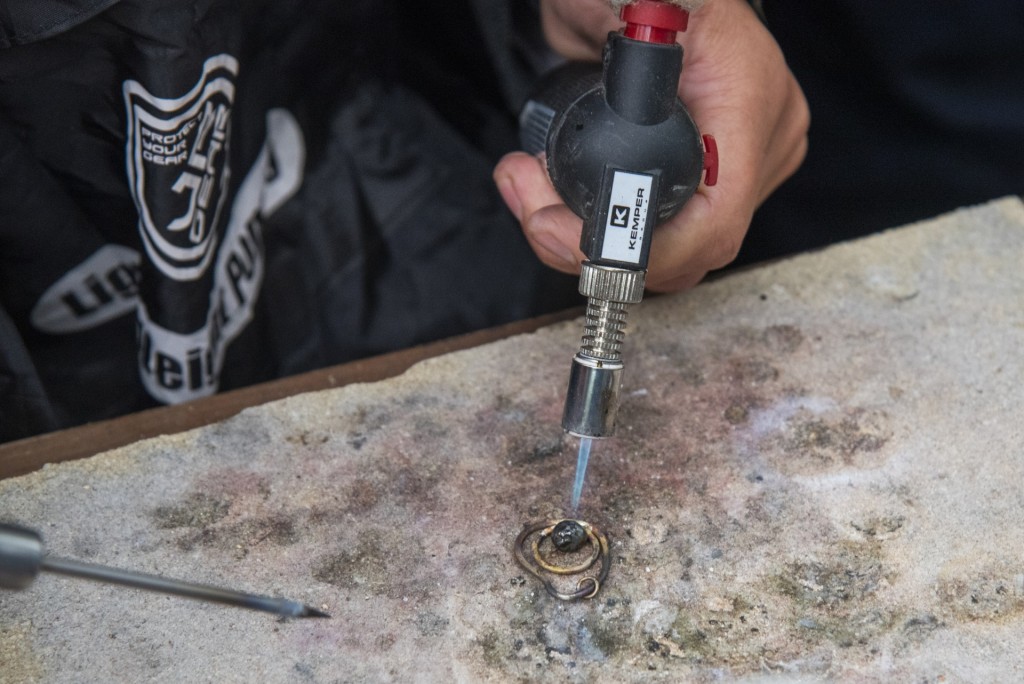
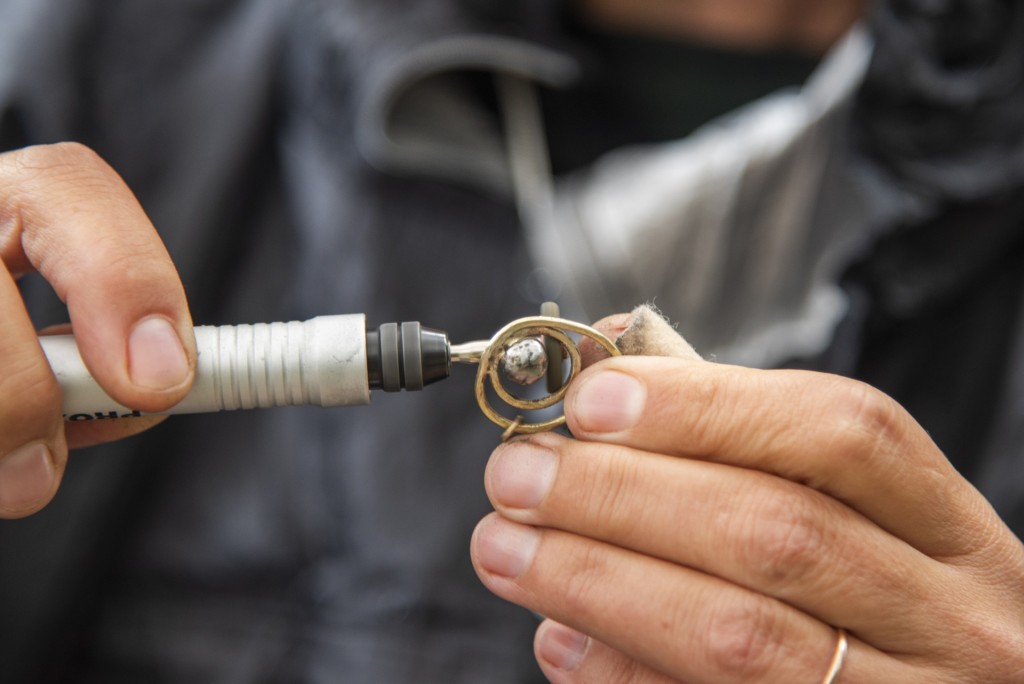
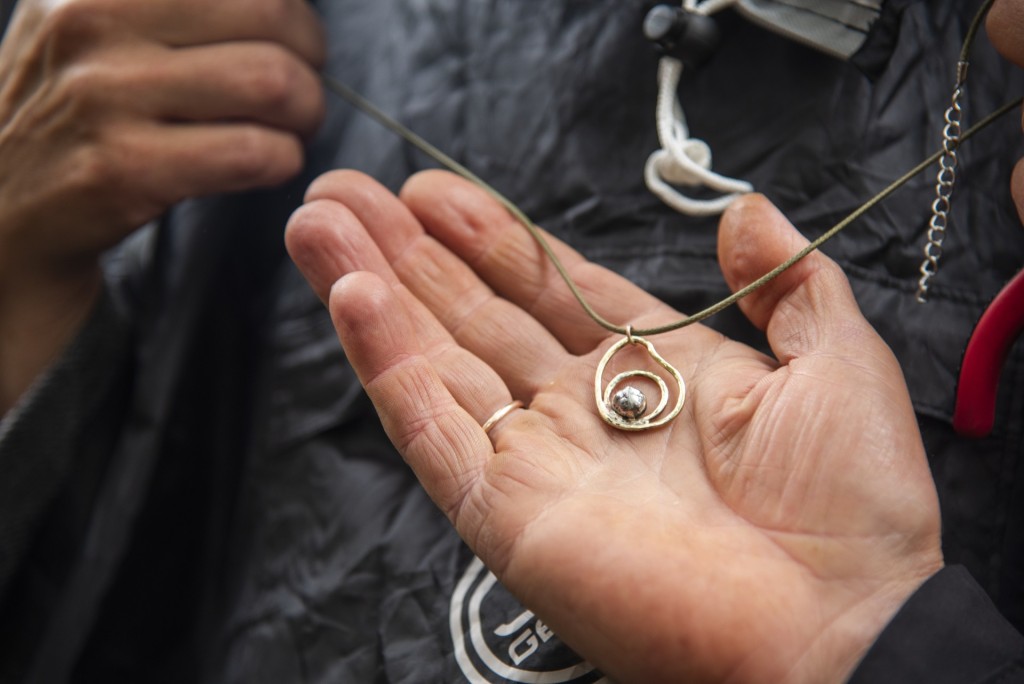
• Jeweller Eglė Navickienė
• Valdas Arbašauskas, founder of the Buities muziejus (Museum of Everyday Life)
________________________________________
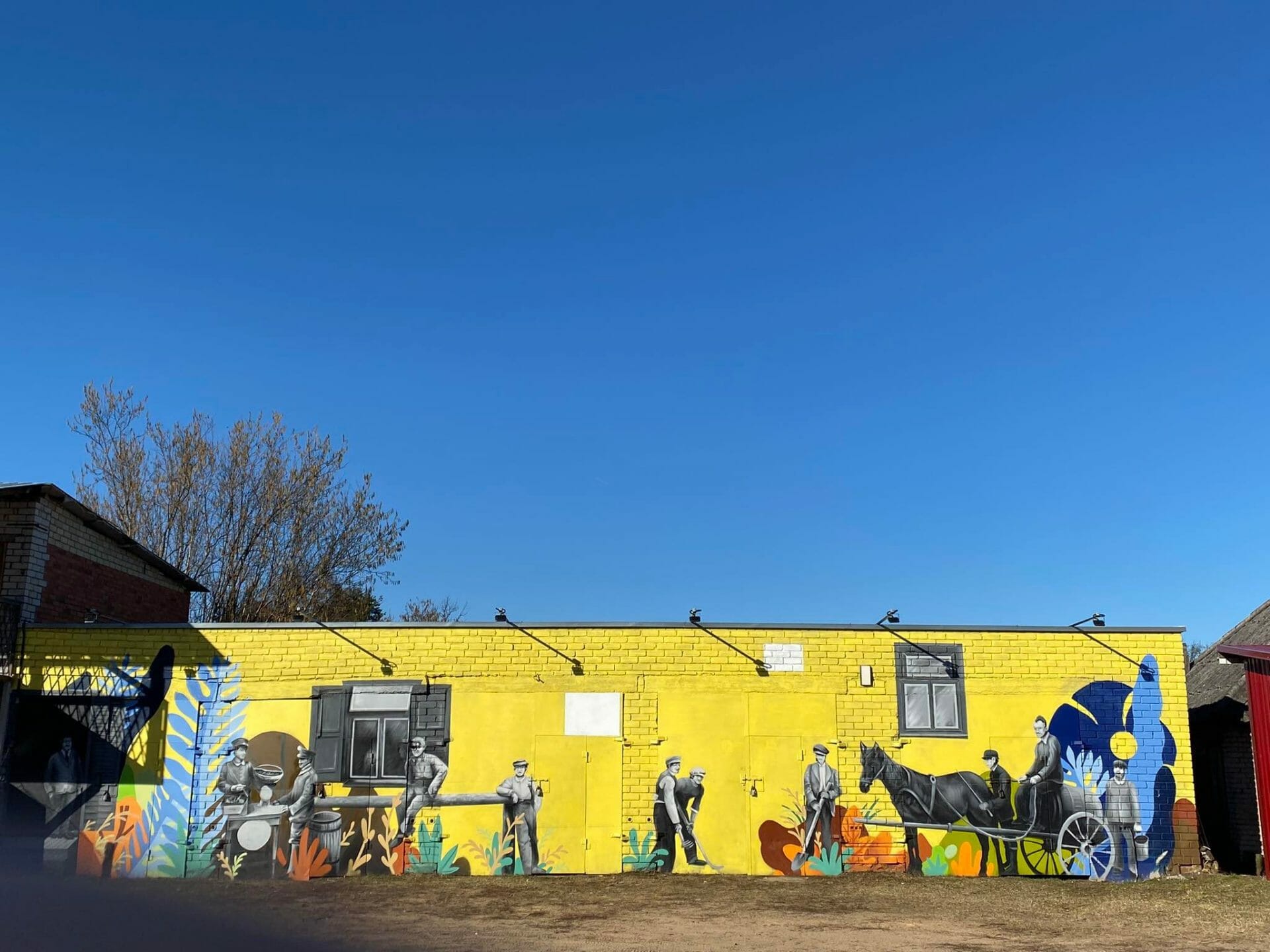
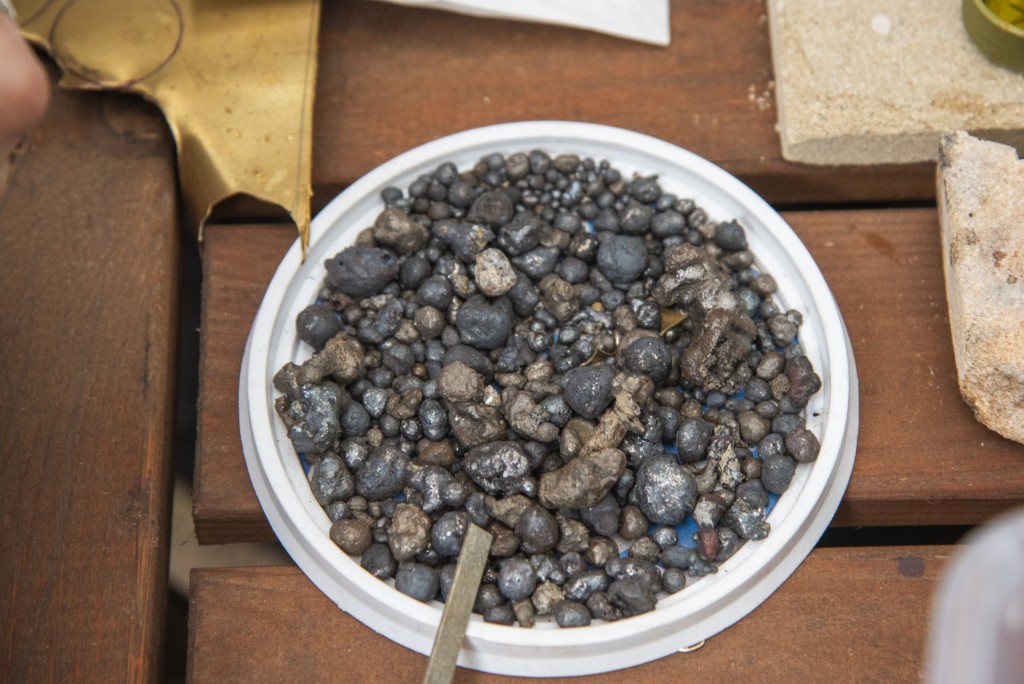
Few people in Lithuania ever wonder where our ancestors obtained the ore for their iron tools, and even fewer know that all place names containing the roots rūd-, gel- or raud- may point to the extraction, processing or trade of bog ore. Judging by these names, iron ore was extracted all over Lithuania, but the most striking example is Kazlų Rūda. After all, it was here, relatively recently, that the Kazlai family’s businesses flourished, producing iron implements from limonite (bog ore) on an industrial scale. They only declined once the railway was built and iron ore began to be imported from other countries.
It might all seem very simple, but reviving traditions that lasted for more than a thousand years and were then forgotten requires not only scientific knowledge but also enormous enthusiasm. Nobody in Lithuania has done this in modern times. Our ancestors’ ability to extract iron was forgotten long ago and is now being revived only here, in the Kazlų Rūda area, by people with the necessary knowledge and enthusiasm. So do not miss the chance to take part in a unique educational experience and scientific experiment in which we try to recreate the traditions of our ancestors and extract iron from bog ore!
________________________________________
This year’s programme:
23 August (Saturday):
10:00, meeting and introductions
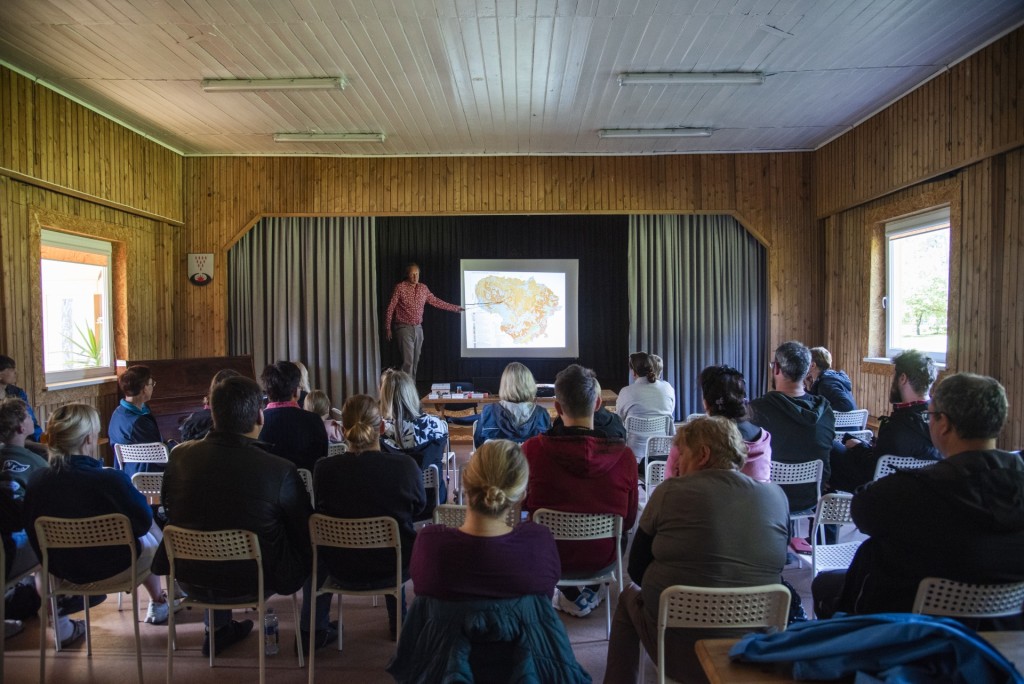
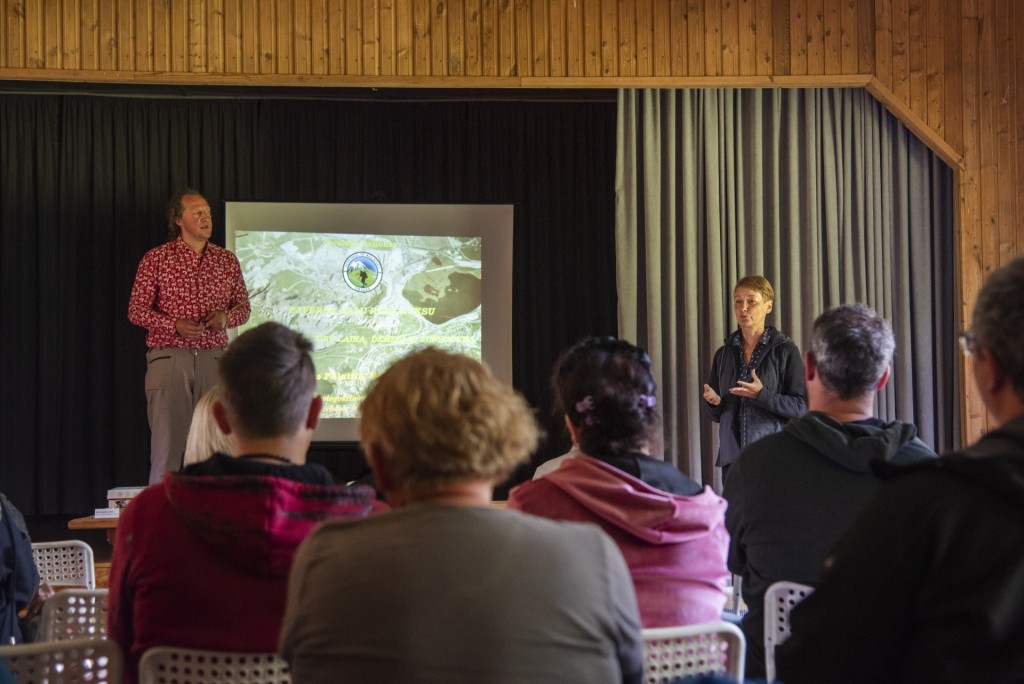
Lectures on bog ore and its significance with geologist Žygimantas Palaitis and archaeologist Dr Andra Simniškytė-Strimaitienė (PhD in Humanities)
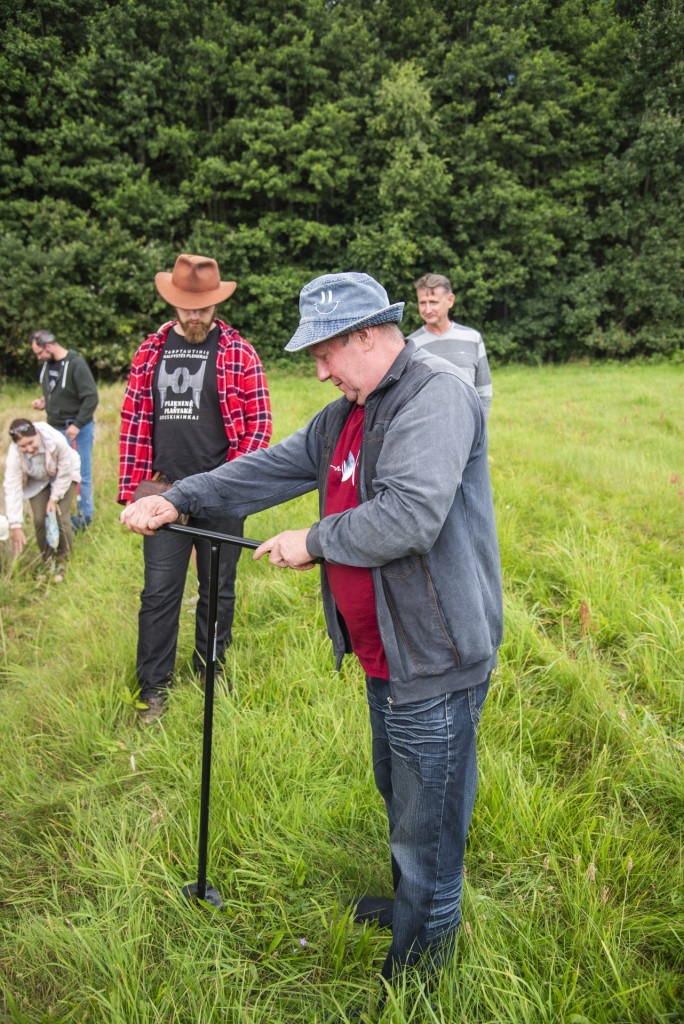
Afternoon: expedition into nature and building of the bloomery furnace
24 August (Sunday):
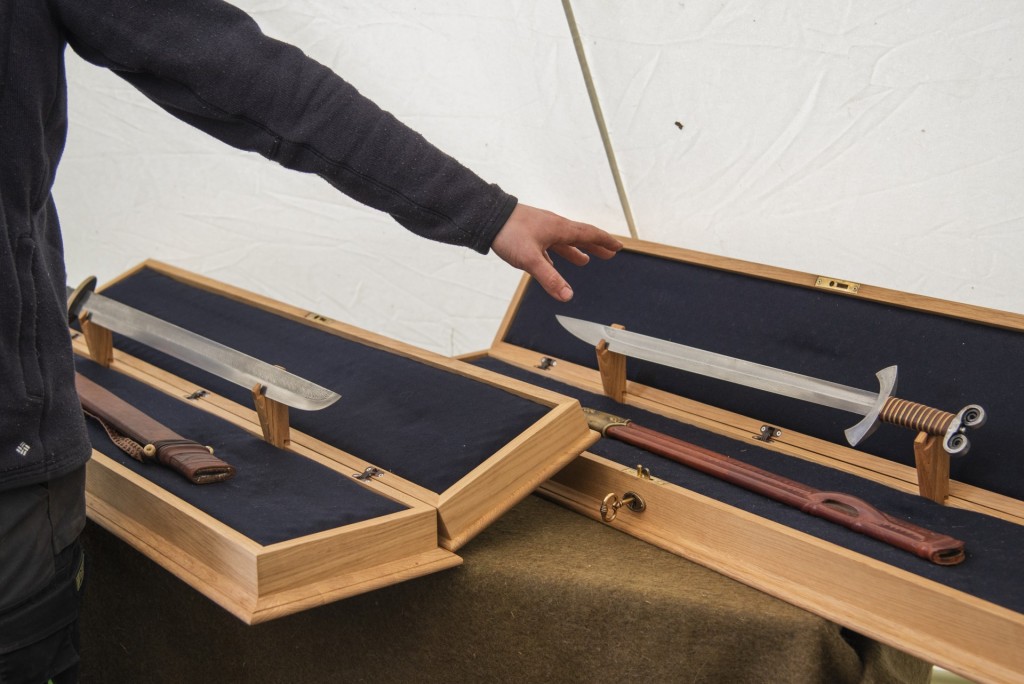
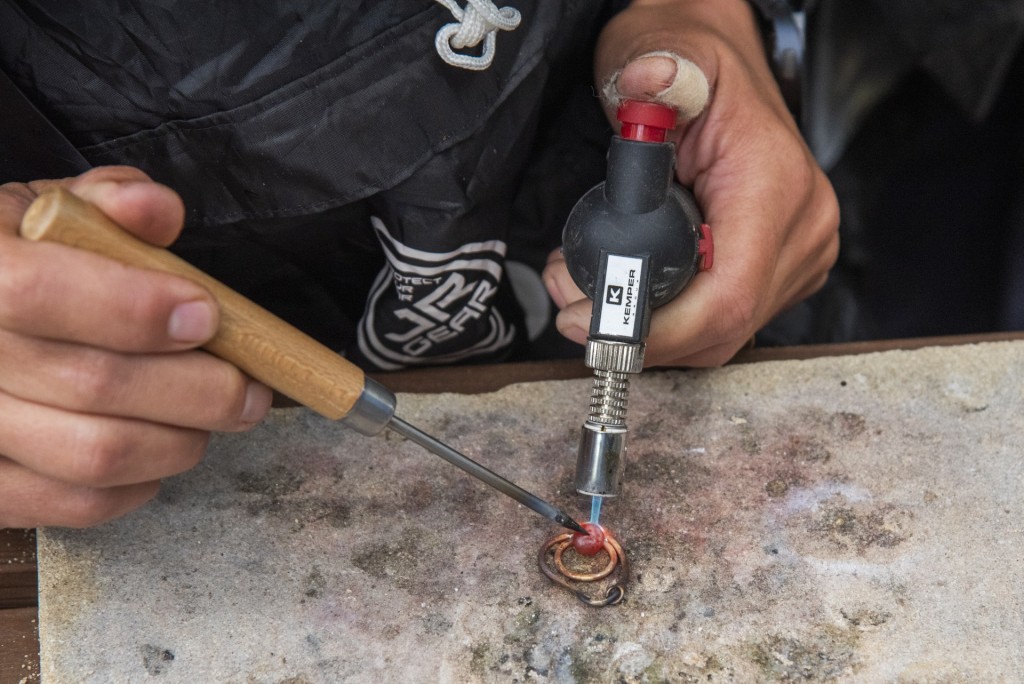
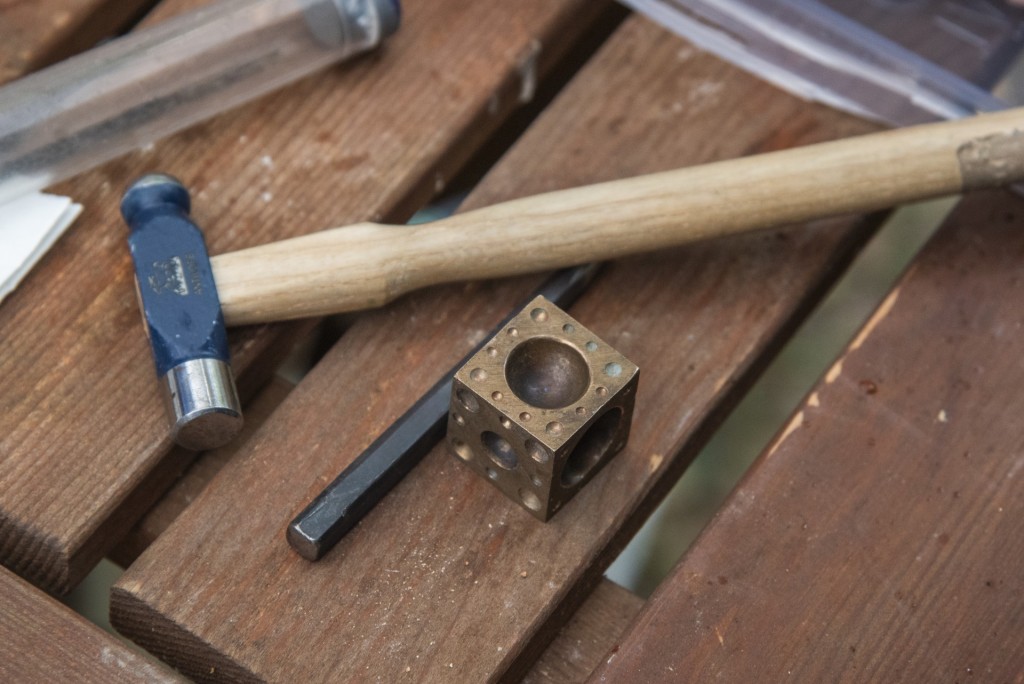
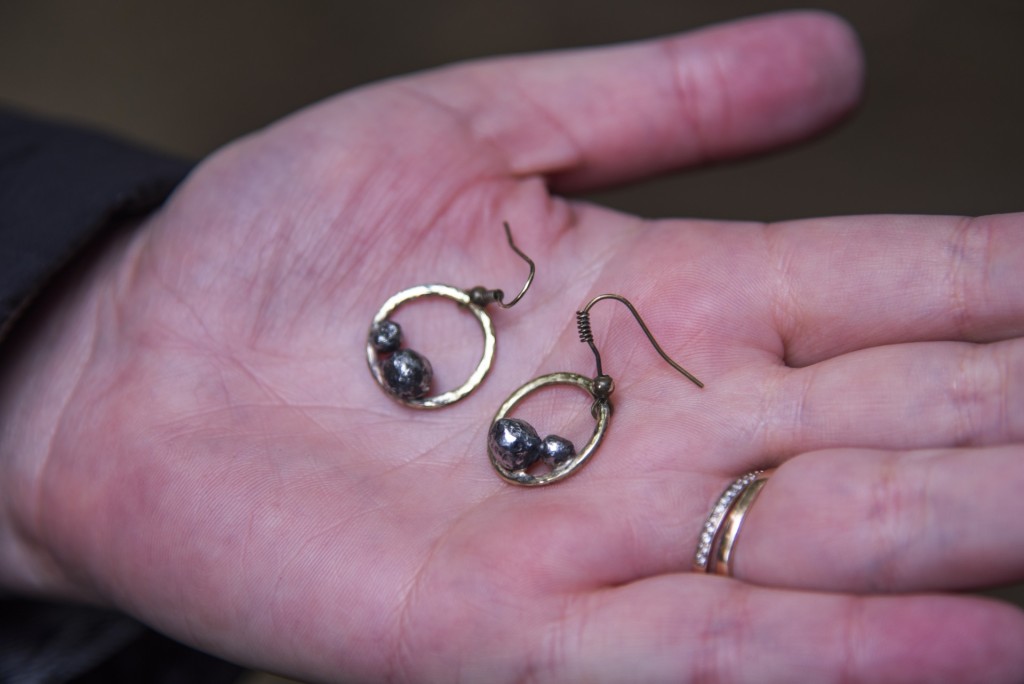
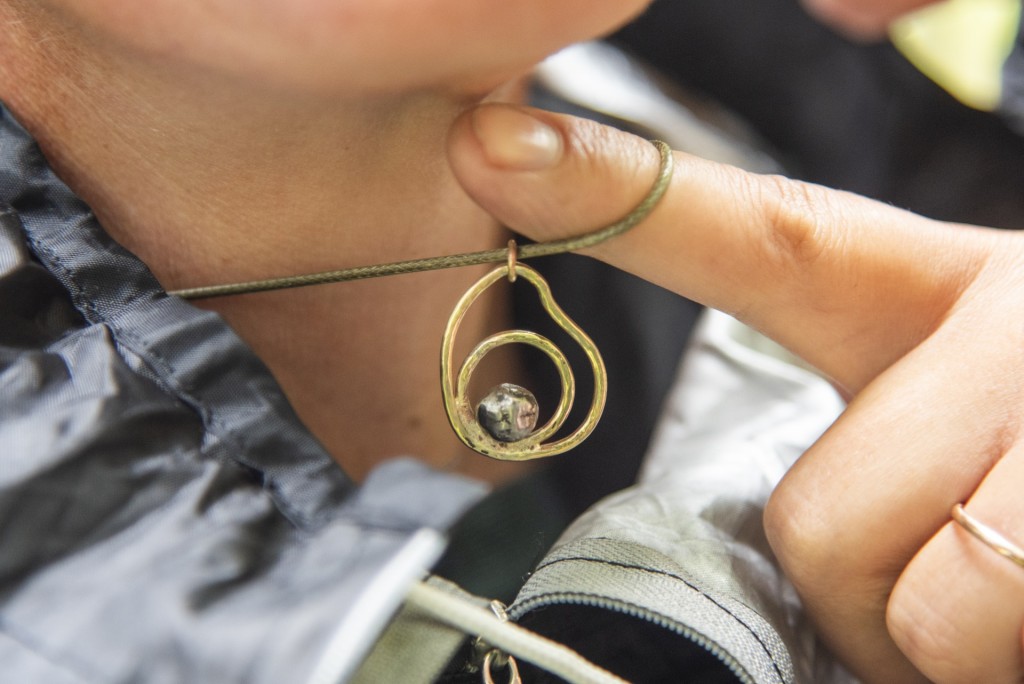
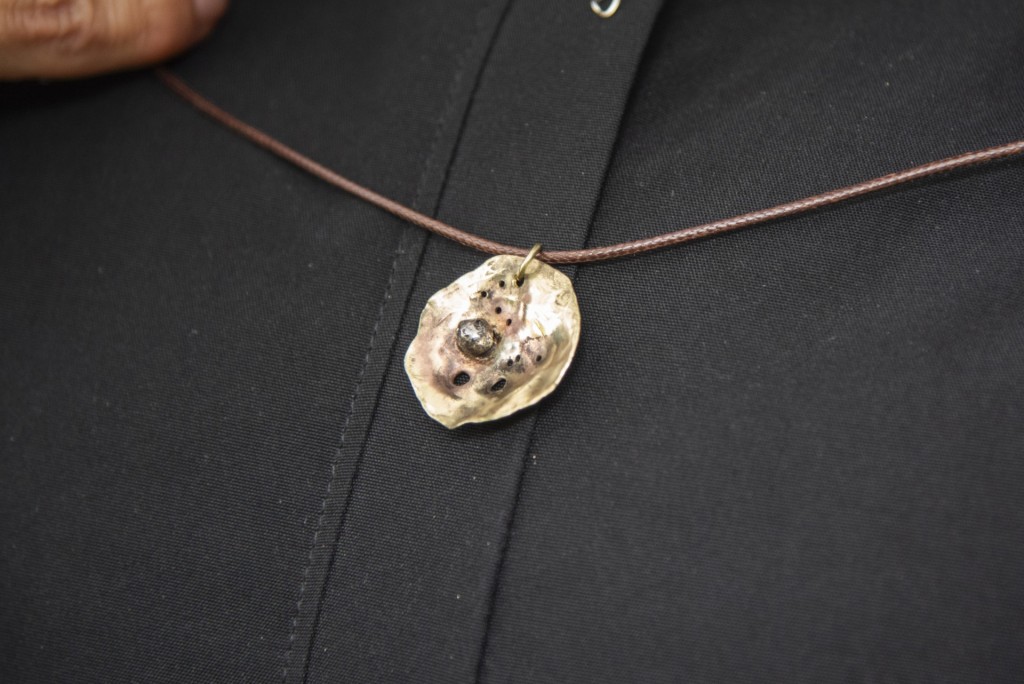
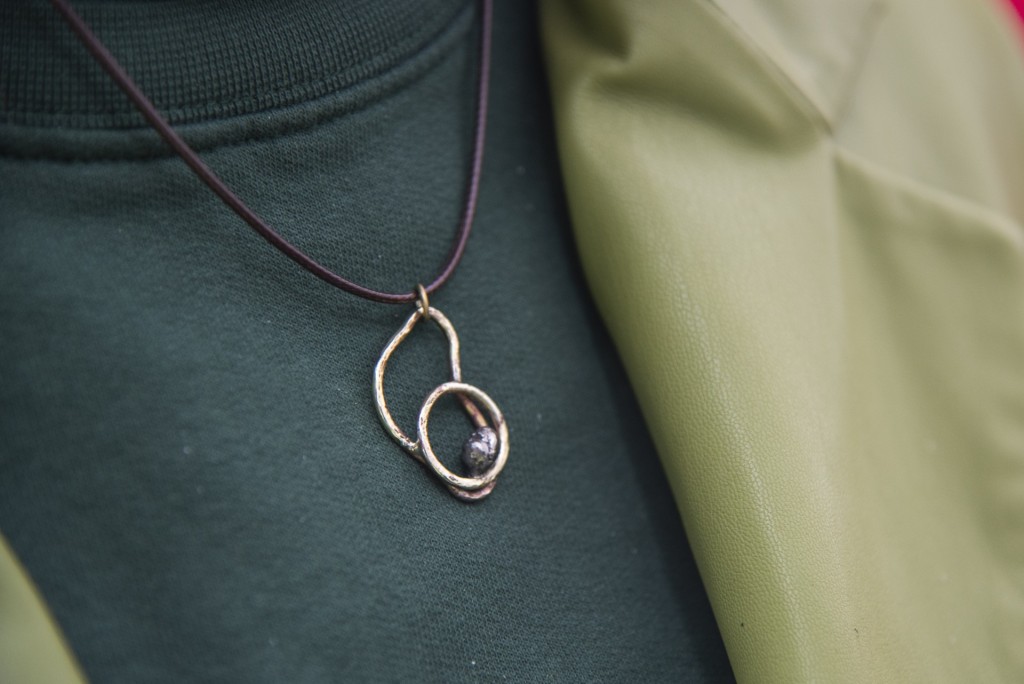
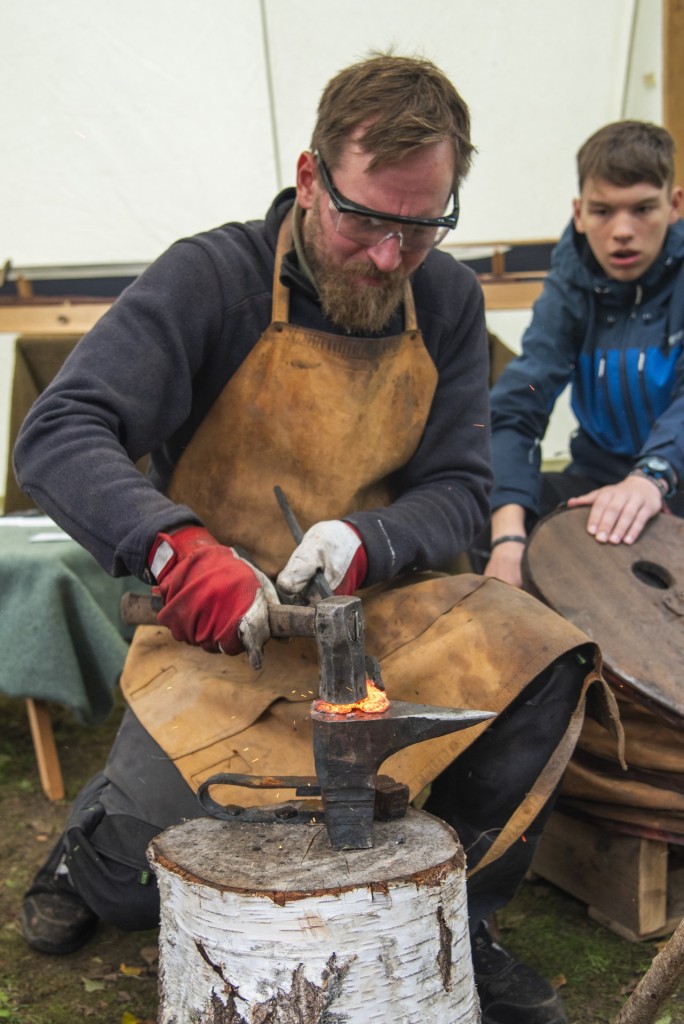
10:00, iron smelting, educational activities, museum visit, workshops with blacksmith Adomas Sviklas and jeweller Eglė Navickienė.
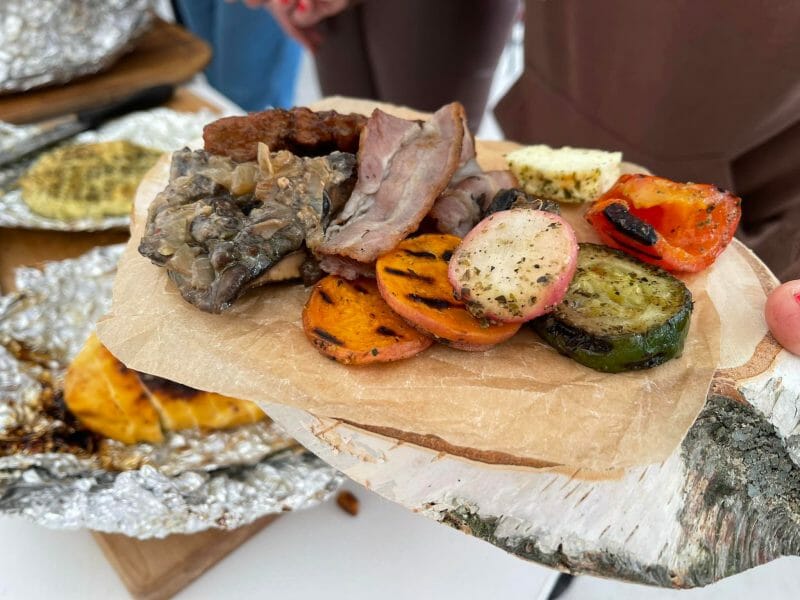
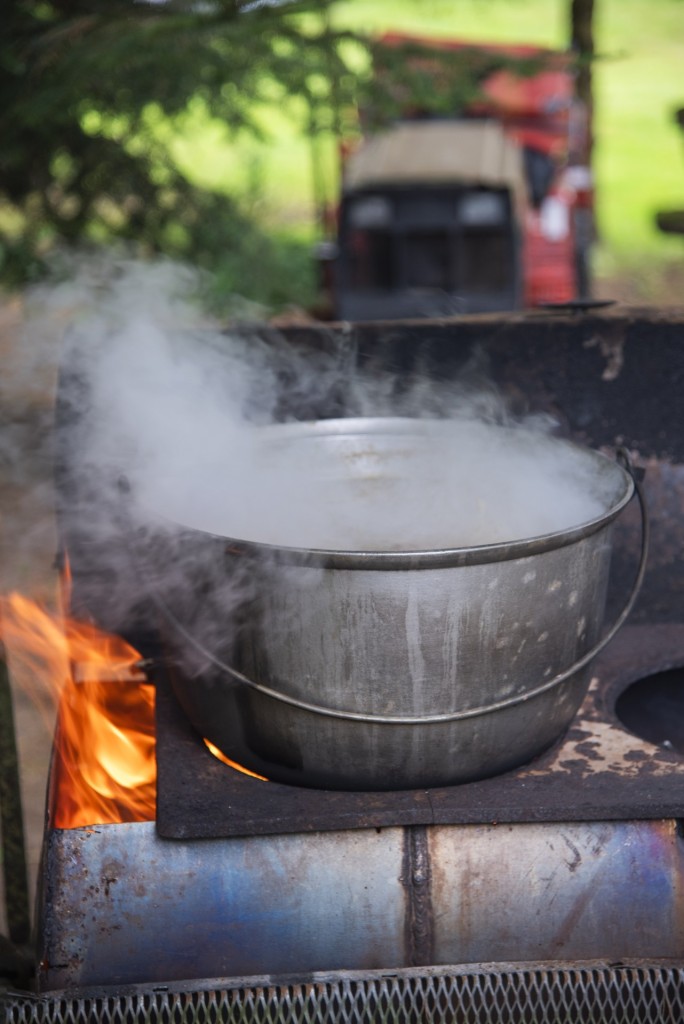
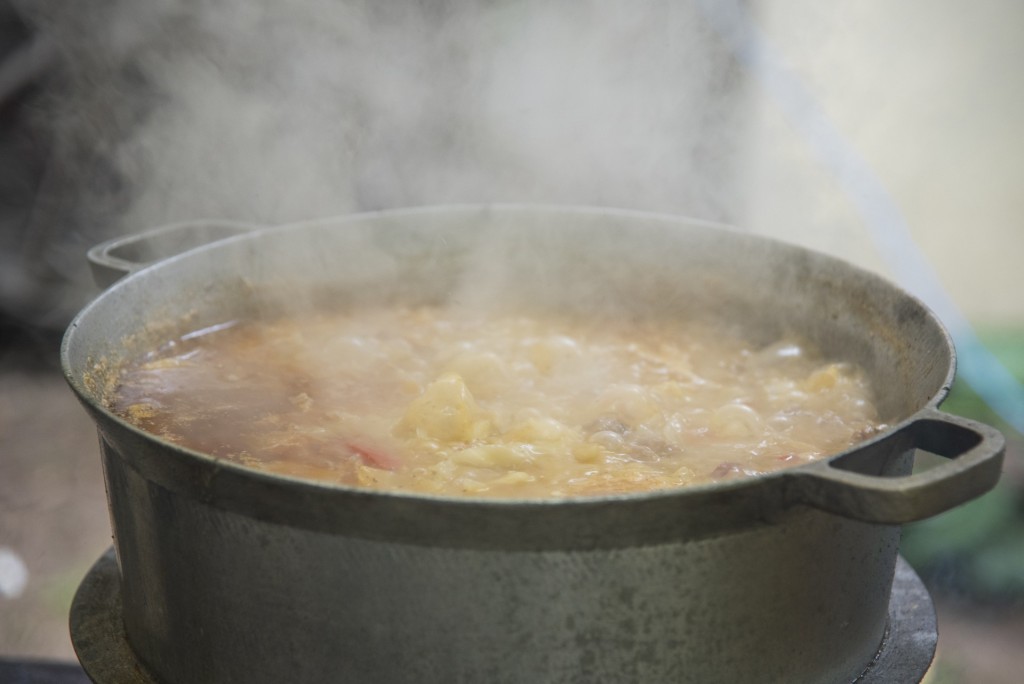
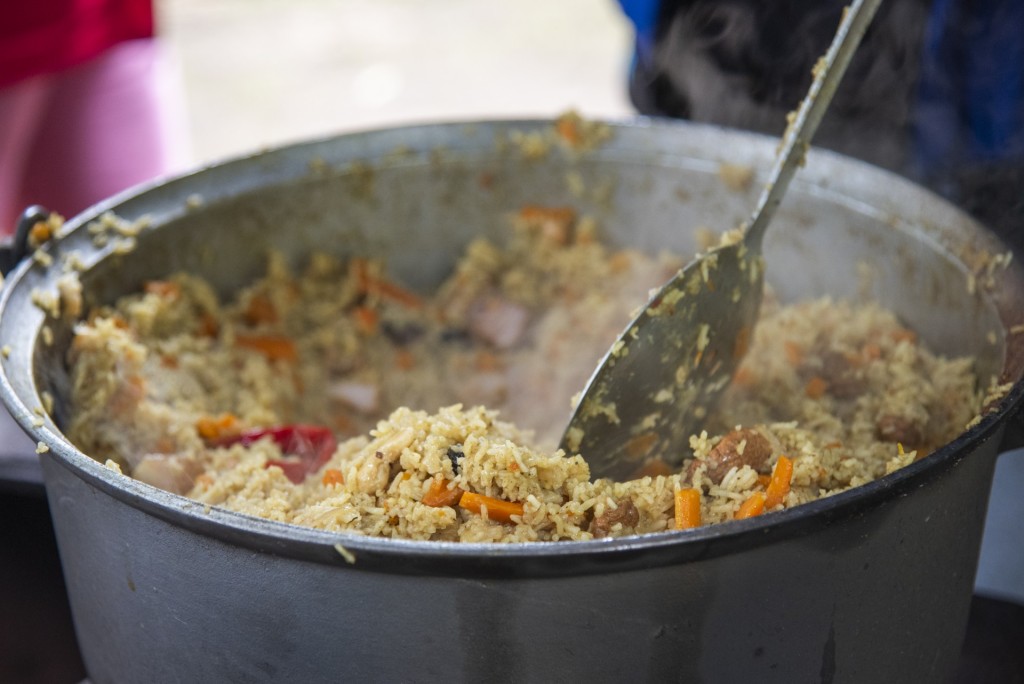
Cooking plov and cabbage soup with Valdas Arbašauskas and Matas Miškinis Bodrijė.
__________________________________
We thank the whole team, as well as Lietuvos kultūros taryba and Kazlų Rūdos savivaldybė for funding the project.
Funding allocated to the project:
- Lietuvos kultūros taryba: 4250 Eur
- Kazlų Rūdos savivaldybė: 1821 Eur